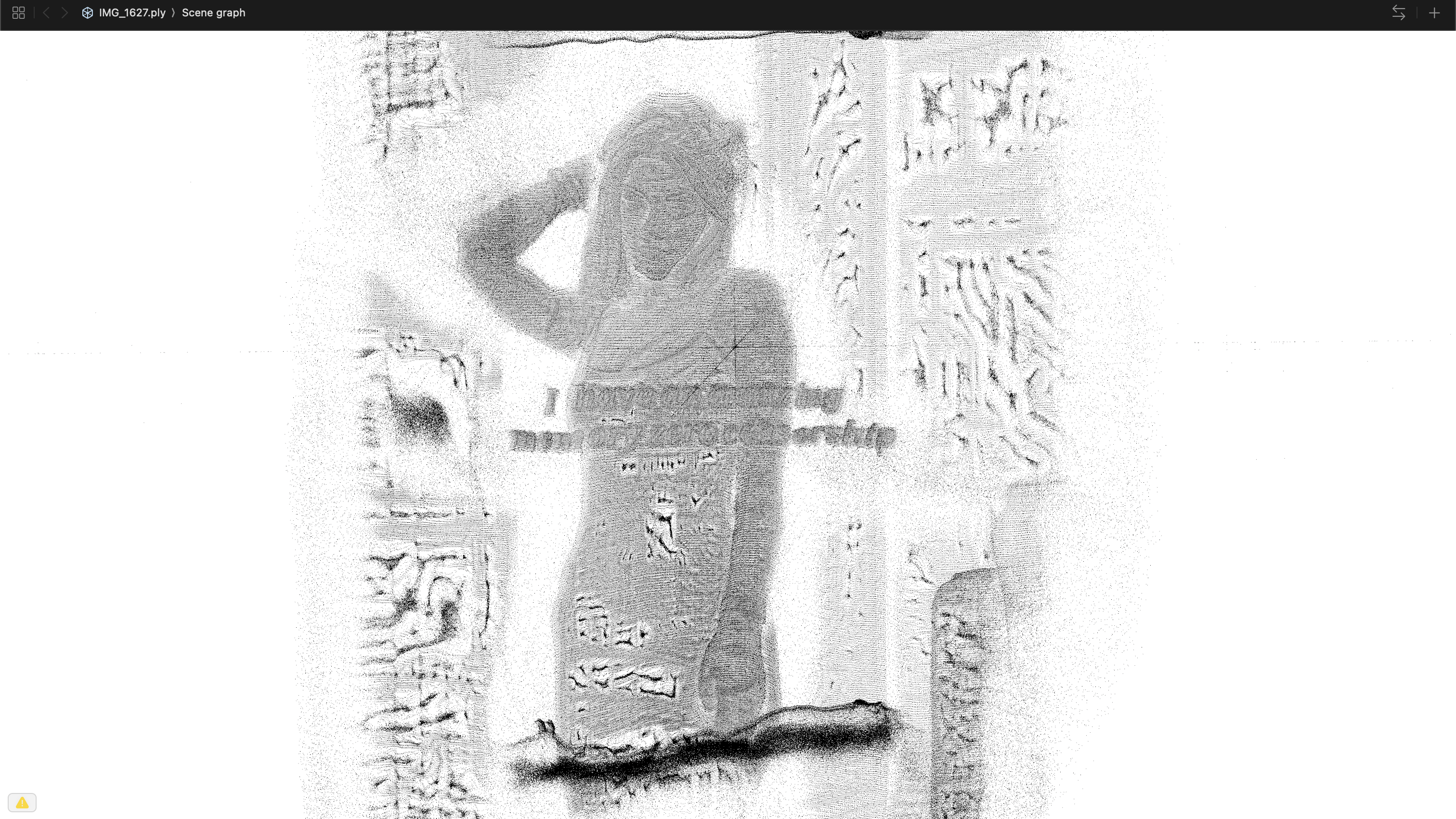
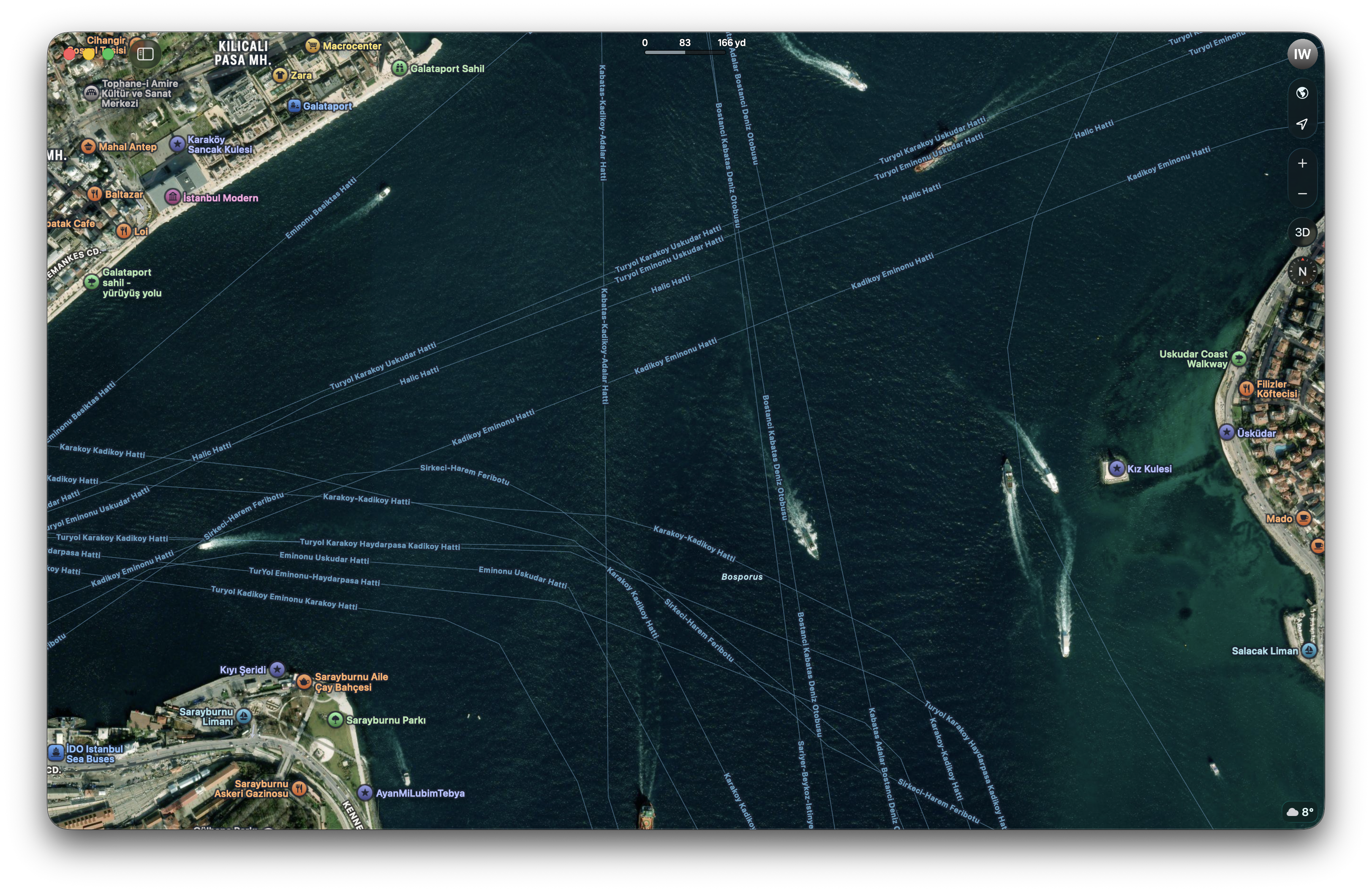

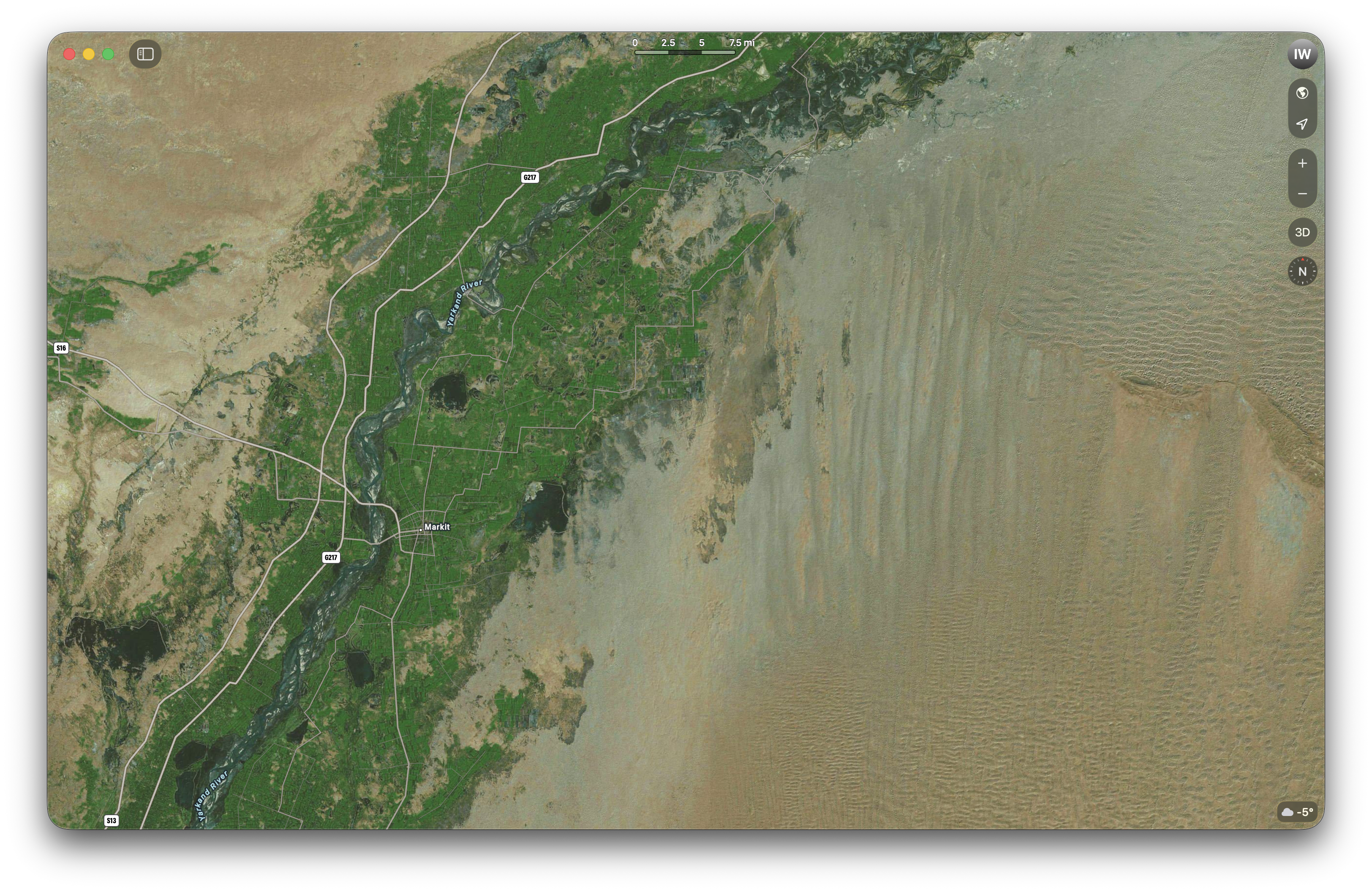
i got bored though because i knew all of the different arrangements of it. i probably needed to stick at it longer to get it dense enough to feel navigable in a way that was engaging to me
a lot of what i've been doing has been some imaginary screenshot or recording of his website, something that could be found within it
"No, it'll get cold!"
"Put a tut ahh put a-"
I'm in a crowded lift and a girl I've never met tells me she thinks she might love me.
The lift won't stop at any floor, and I can't talk in front of all these people.
Thu, 06 Nov 2025 21:22:59
a version of this existed for a few months last year but it was static. it was HTML with writing and pictures and videos and sounds. i had this feeling that the code should be as important as the content, that structurally each piece in relation to each other piece shouldn't change, that the mazelike quality should emerge from me intricately arranging paths through it. like classic hypertext
so the method has to be autonomous
i love to walk around and see things and take photos and go online and look at websites and click on links and take screenshots i love to surf and i love to browse
ion
isaac
god being the centre magnet
plato
mazelike/rhizomatic/immanent/emergent are not antithetical to a transcendent real but its very manifestation
magnetisation/form
autonomy of learning
"I'm only attracted to you", he replies. "Like, you only."
there is a distinction between western-modern pedagogical systems that's like text-based as in a legal method but there is an idea of "pathshala" or "guru shissho"/ "porompora" i mean how masters relayed knowledge to the student by (oral) transmission often by memorising books. so what was taught was always interactive. knowledge was interactive, you spoke with people rather than read texts.
like first name
"Anyway, you're you. I mean, look at you!" she says. "You could get with anyone, anyone in the street. Really."
yeah people dont get it they assume its ahnaf
ahnaf is it worth reading all those books