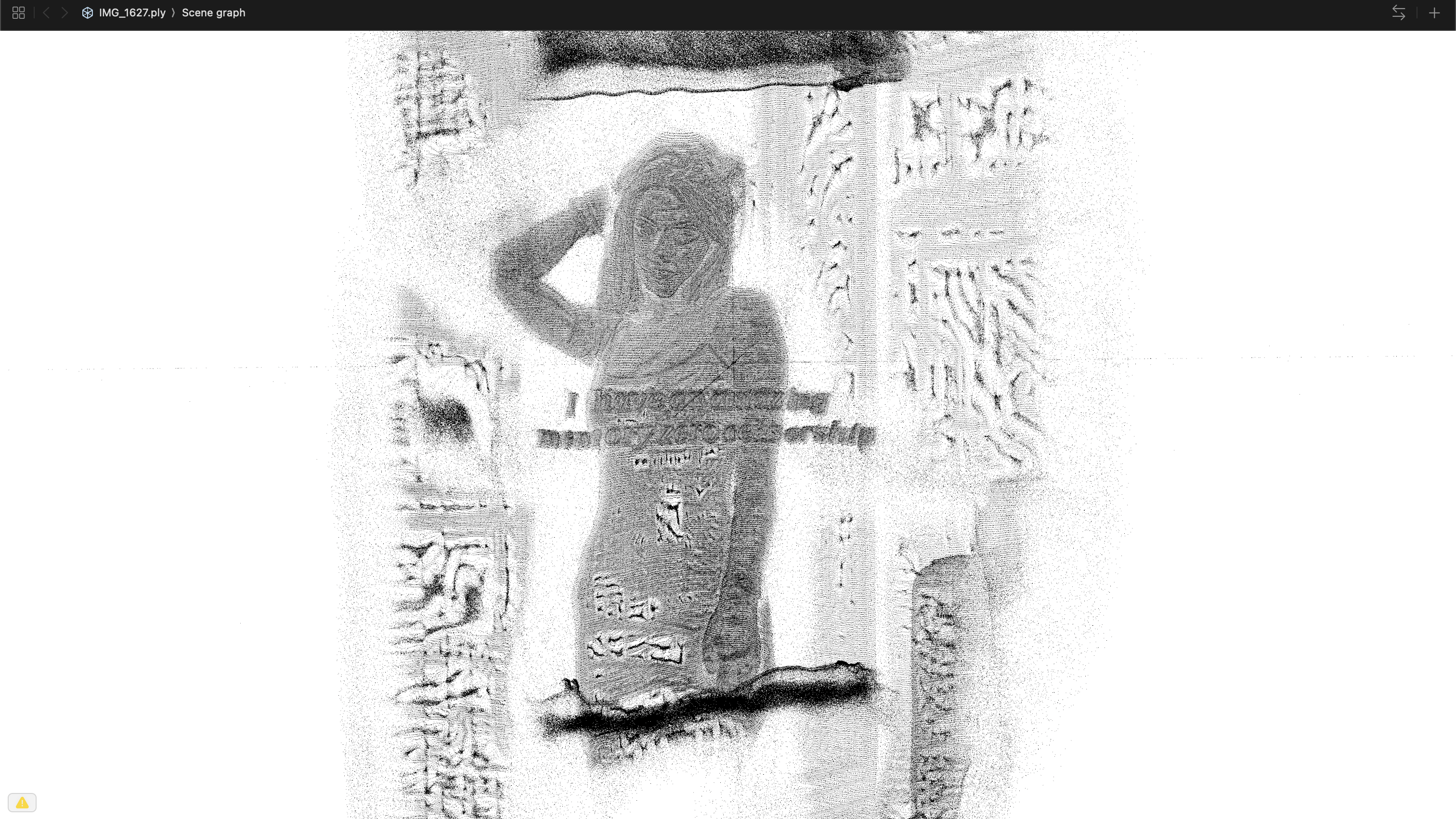
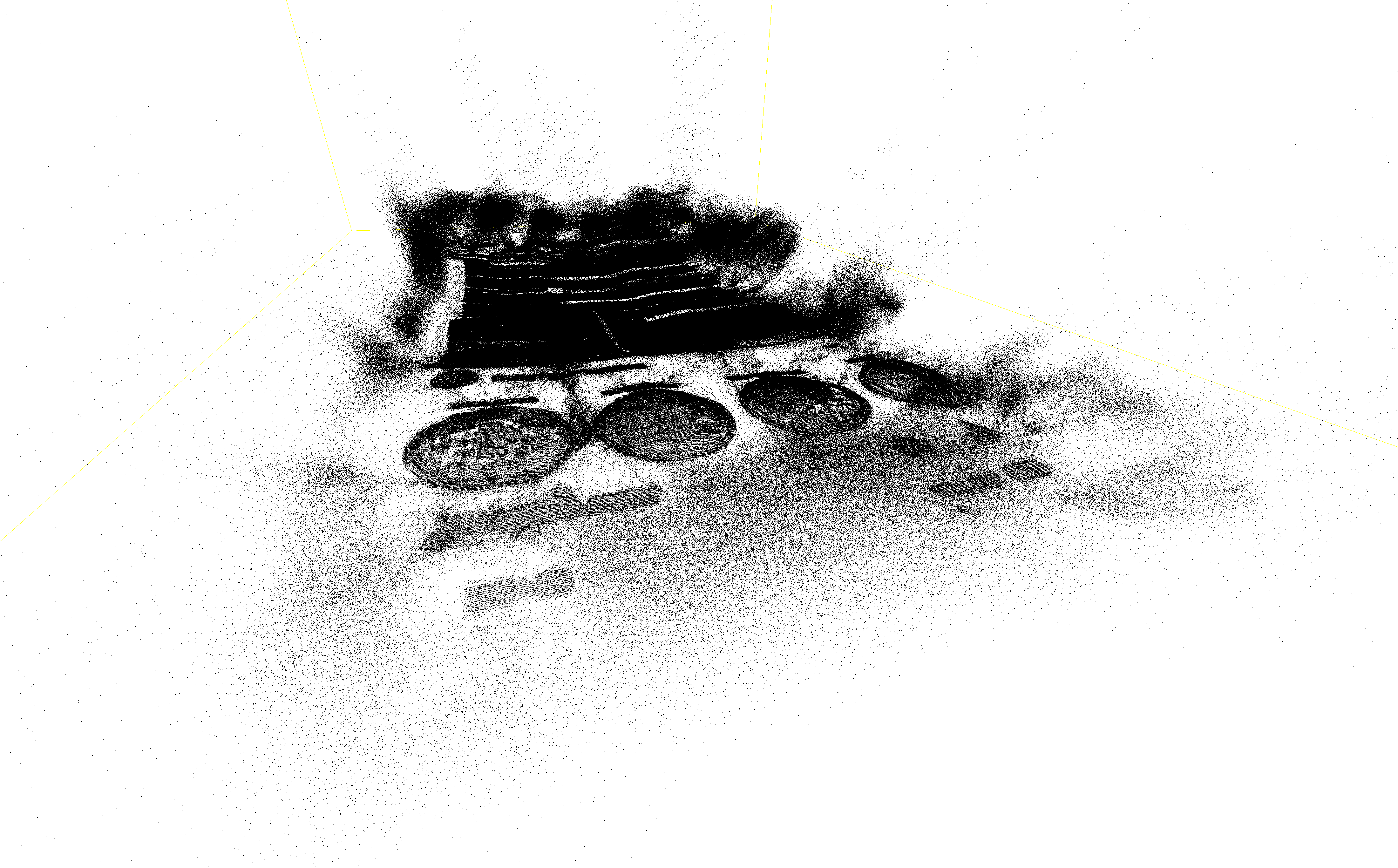
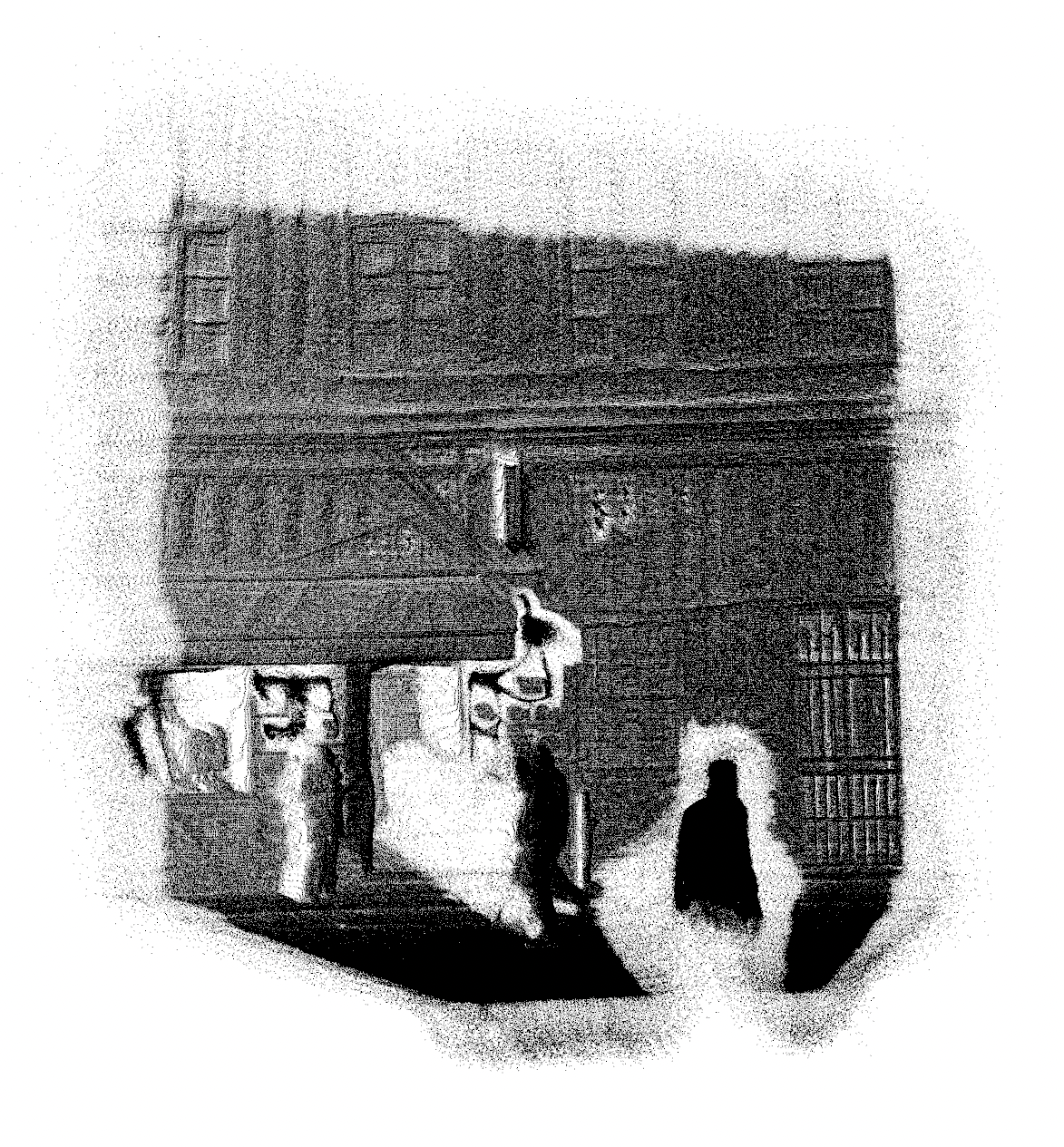
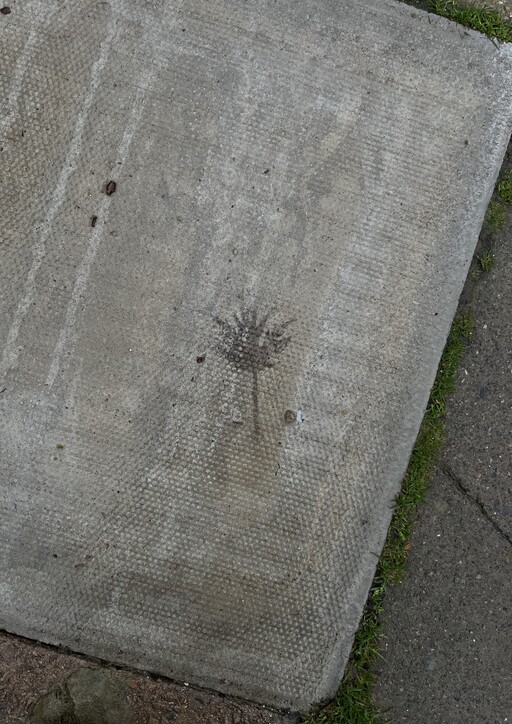

i love it here
"No, it'll get cold!"
"Put a tut ahh put a-"
i got bored though because i knew all of the different arrangements of it. i probably needed to stick at it longer to get it dense enough to feel navigable in a way that was engaging to me
I know that if I try to make this entry any more than it is I will ruin it.
i love to walk around and see things and take photos and go online and look at websites and click on links and take screenshots i love to surf and i love to browse
i see a website though something that reconfigures or is mazelike
Tue, 02 Dec 2025 11:29:50
wow, you are the first stranger to write a textwall to me
Thank you, Jack
a version of this existed for a few months last year but it was static. it was HTML with writing and pictures and videos and sounds. i had this feeling that the code should be as important as the content, that structurally each piece in relation to each other piece shouldn't change, that the mazelike quality should emerge from me intricately arranging paths through it. like classic hypertext
barren land
as in
this is possible in mazelike research sprints on the internet
its performative
in a way what we are really interested in with pedagogy is the magnetisation
my watchlater reached its limit years ago and now i have to create a playlist for each new topic im interested in but it is incredibly hard to create the taxonomy of knowledge because everything seems to be everything else because at the end it is what you get from it that matters not what is given
its good
hiding from the rain
there is a distinction between western-modern pedagogical systems that's like text-based as in a legal method but there is an idea of "pathshala" or "guru shissho"/ "porompora" i mean how masters relayed knowledge to the student by (oral) transmission often by memorising books. so what was taught was always interactive. knowledge was interactive, you spoke with people rather than read texts.
kind of mythopoesis