so the method has to be autonomous
there is a distinction between western-modern pedagogical systems that's like
text-based as in a legal method but there is an idea of "pathshala" or "guru
shissho"/ "porompora" i mean how masters relayed knowledge to the student by
(oral) transmission often by memorising books. so what was taught was always
interactive. knowledge was interactive, you spoke with people rather than read
texts.
that looks like my instagram account
mazelike/rhizomatic/immanent/emergent are not antithetical to a transcendent
real but its very manifestation
i know a little bit of lacan which probably influences me in a way i cant
articulate
i struggle with building a personal technical architecture for storing media,
both curation and creation. instead i bookmark everything
-
Lift and confinement – The crowded, immovable lift represents feeling
trapped or constrained in real life, either by social expectations,
relationships, or internal emotions. The inability to speak in front of
others suggests suppressed feelings or fear of judgment.
-
Unexpected confession – The girl saying “I think I might love you” could
symbolize longing for connection or recognition. It may reflect
unacknowledged desires, vulnerability, or anxiety about intimacy.
-
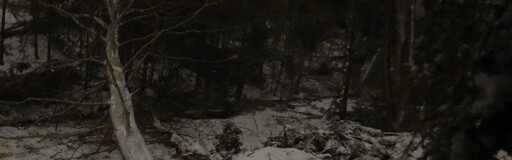
Forest and snow – The transition to a snowy forest signals escape into the
subconscious, a place of solitude, reflection, and emotional processing.
Snow often represents purity, stillness, or emotional coldness, while dusk
points to transition or uncertainty.
-
The fox – Foxes are traditionally symbols of cunning, intuition, and
guidance, but here it’s more ethereal: its bites are gentle yet noticeable,
suggesting a confrontation with subtle truths, small regrets, or lessons
that must be acknowledged. The unspoken apology indicates things left
unresolved or feelings that cannot be expressed.
-
Death or dissolution – Dying in the dream often doesn’t mean literal death;
it represents transformation, the end of a phase, or surrendering control.
It can indicate letting go of fear, old habits, or emotional blockages.
we can only engage in such a way
division of reality is straying away from it
Lift Analysis
to work in time to get to the timeless, perfection thru chaos
okay this is interesting because pedagogies we have rn are not proper models
Garden Post-Dusk, Birds Above, In Another Life